Introducing Basedash Self-Hosted
Max Musing
 Max MusingFounder and CEO of Basedash
· August 21, 2025
Max MusingFounder and CEO of Basedash
· August 21, 2025
Max Musing
Max MusingFounder and CEO of Basedash
· August 21, 2025
Today we’re launching Basedash Self-Hosted: the full Basedash experience, running inside your own infrastructure.
Get AI-native dashboards, charts, and chat on your data without that data ever leaving your environment. Deploy in minutes with a one-line install, or run it with Docker, Kubernetes, or a fully air-gapped setup. Bring your own AI keys, keep your own audit trail, and stay in control of every byte.
Basedash is the fastest way to understand your data, but for a lot of teams “fastest” has never been the only requirement. If you work in healthcare, banking, government, or any other regulated space, where your data lives and who can touch it matter as much as what you can do with it.
We heard the same thing over and over: “We love Basedash, but our security team won’t let our data leave our environment.” For those teams, a cloud BI tool is a non-starter no matter how good it is.
Self-Hosted is our answer: the same Basedash, with the same AI, dashboards, and chat, deployed entirely within your own infrastructure so your data and your queries never leave your perimeter.
Self-hosting usually means a multi-week project. We wanted it to take an afternoon.
Use the Docker images or the Kubernetes Helm chart and deploy on AWS, GCP, Azure, Oracle, DigitalOcean, IBM, or your own hardware. Setting up Basedash can take as little as half an hour. Read our docs here.
When Basedash runs inside your environment, security stops being something you have to take on faith. You own the network, the storage, and the access controls.
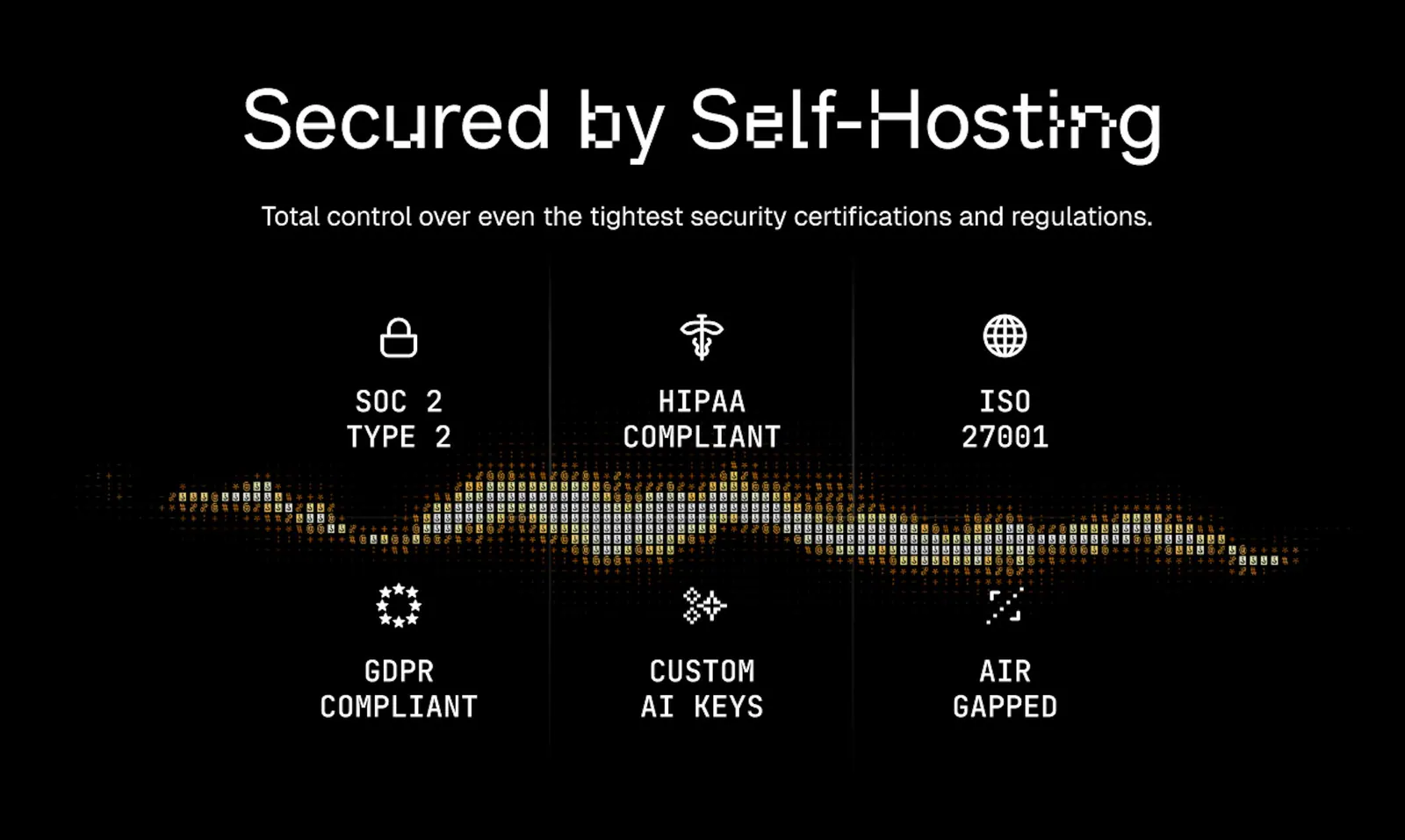
That gives you total control over compliance with even the tightest security certifications and regulations (SOC 2 Type 2, HIPAA, ISO 27001, and GDPR), with support for custom AI keys and fully air-gapped deployments where nothing talks to the outside world.
Self-Hosted is for the teams that have the most to protect.

Healthcare, banking, insurance, government, telecom, and legal teams can now get modern, AI-native analytics while maintaining the security and compliance standards their work demands.
Because the AI is core to Basedash, you should get to decide which models it uses and where they run.
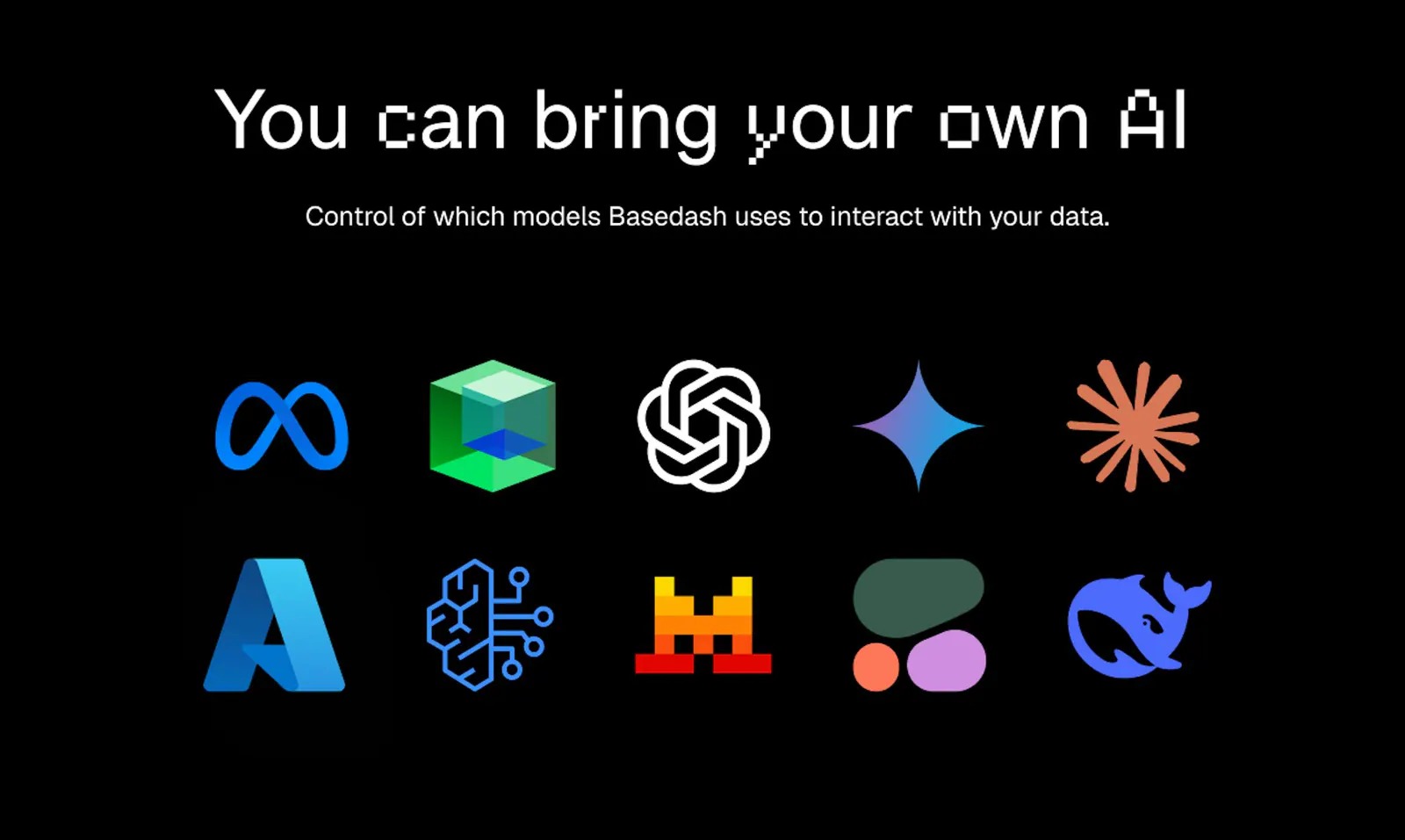
Point Basedash at OpenAI, Anthropic, Gemini, Azure OpenAI, or open models like Llama running in your own environment. If your policy is that data and model inference both stay inside your walls, you can run it that way.
Self-hosting doesn’t mean giving anything up. You still get the full Basedash experience on top of whatever data you run.
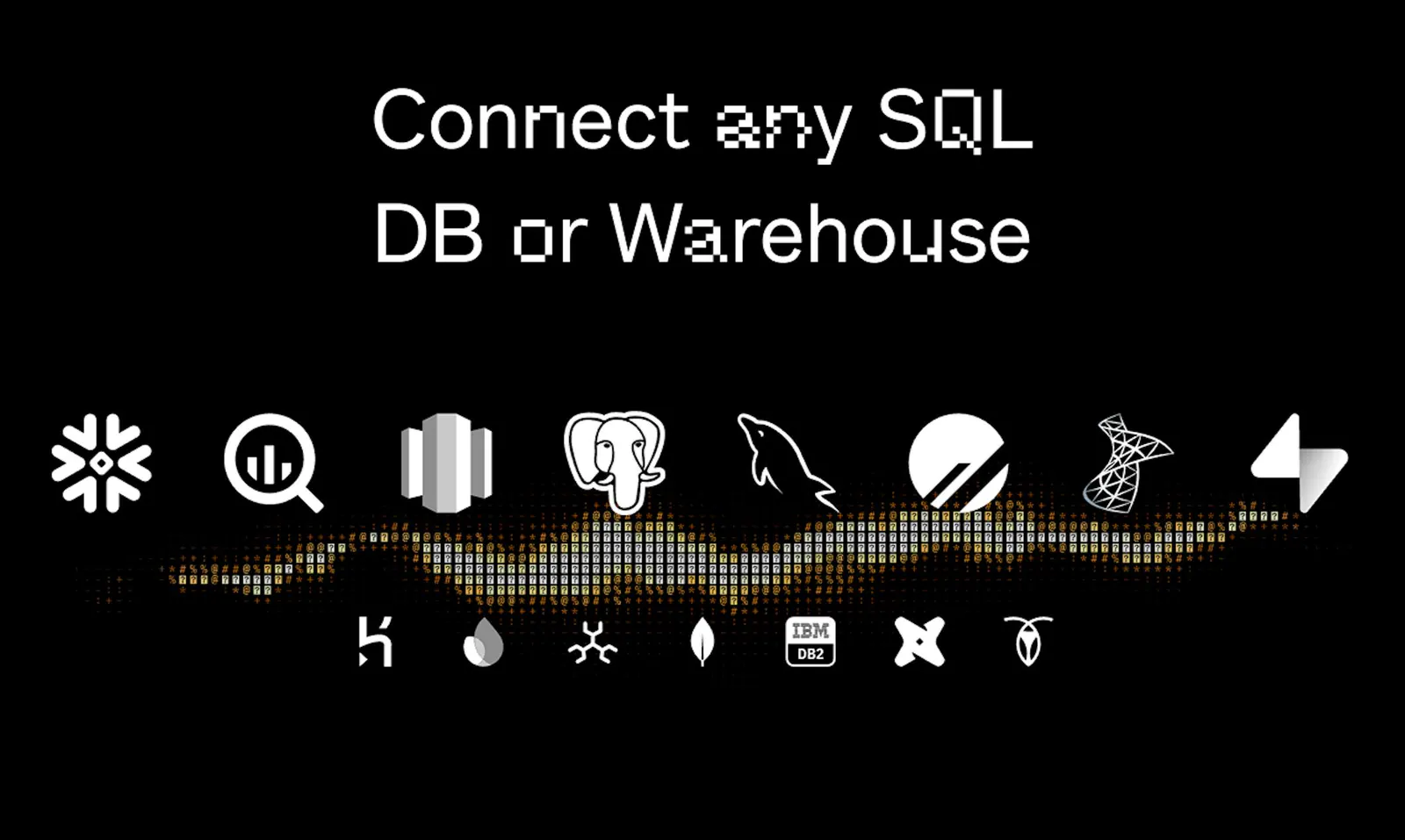
Connect Snowflake, Postgres, MySQL, Redshift, SQL Server, MongoDB, and any other database or warehouse in your stack, and start asking questions in plain English.
Basedash Self-Hosted is available today.
For deployment options, security details, and configuration, see the Self-hosting feature page or book a self-hosting call.
Self-Hosted brings AI-native BI to the teams that could never put their data in someone else’s cloud. It’s the same Basedash you already know, deployed on your terms.
Bring Basedash into your own infrastructure today.
Written by

Founder and CEO of Basedash
Max Musing is the founder and CEO of Basedash, an AI-native business intelligence platform designed to help teams explore analytics and build dashboards without writing SQL. His work focuses on applying large language models to structured data systems, improving query reliability, and building governed analytics workflows for production environments.
Basedash lets you build charts, dashboards, and reports in seconds using all your data.